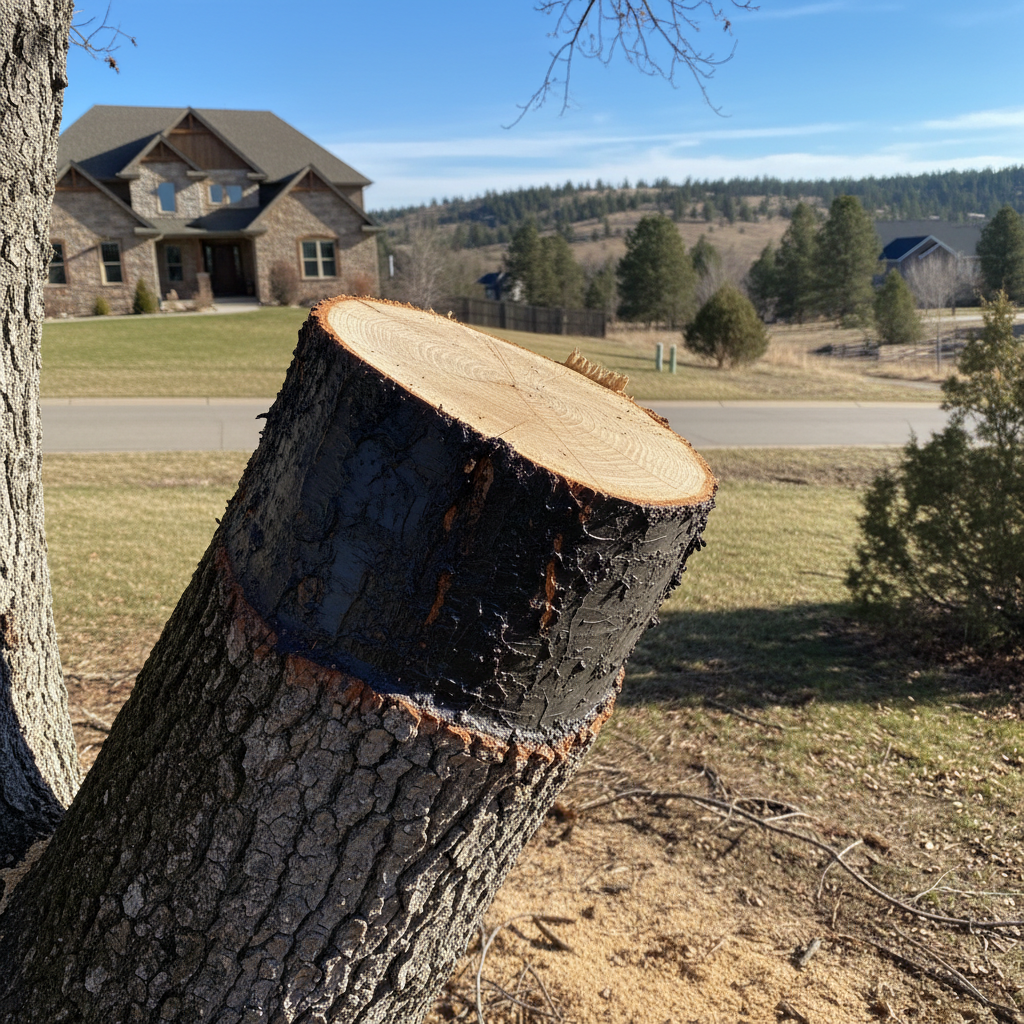
Your trees are a big investment, and keeping them healthy means knowing what they need. I get a lot of the same questions from folks around Rapid City, so I figured I'd put together some straight answers. No fluff, just what you need to know from someone who's been working with trees in this area for years.
How much water do my trees really need, especially in our dry summers?
This is probably the most common question I get, and it's a good one, especially with our hot, dry summers here in the Black Hills. Most established trees, especially the larger ones, need a deep soaking once a week when we're not getting regular rain. I'm talking about 10-15 gallons for every inch of trunk diameter, measured about four feet off the ground. Don't just sprinkle the surface; you want that water to get down a foot or two into the soil. For younger trees, you might need to water more frequently, maybe two or three times a week, but still aim for that deep soak. A good way to check if they've had enough is to stick a screwdriver into the ground; if it goes in easily, the soil's moist enough. If it's tough, they need more.
When's the best time to prune my trees, and what should I be looking for?
For most deciduous trees, late winter or early spring, before the leaves bud out, is ideal. The tree is dormant, so it's less stressful for it, and you can clearly see the branch structure without all the foliage. That said, you can always remove dead, diseased, or damaged branches any time of year. For evergreens like pines and spruces, it's a bit different; usually, late winter to early spring or mid-summer after their growth spurt is best. When you're pruning, look for branches that are crossing and rubbing, weak or narrow branch angles, and anything growing inward towards the center of the tree. If a branch is hanging over your house or looking like it might break in a strong wind, that's a priority. Don't go crazy, though; a good rule of thumb is to never remove more than 25% of the tree's canopy in a single year.
My tree looks sick. How can I tell what's wrong with it?
That's a tough one to answer without seeing it, but there are some common signs. Yellowing leaves, premature leaf drop, stunted growth, or dead branches can all point to a problem. Sometimes it's as simple as not enough water or too much. Other times, it could be pests like aphids or borers, or a fungal disease. We've got a lot of pine trees around here, and they can be susceptible to pine beetle attacks, especially if they're stressed. Look for small holes in the bark, sawdust at the base, or discolored needles. If you're seeing a lot of sap oozing, that's another red flag. If you're unsure, it's always best to have a professional take a look. We can often diagnose the issue and recommend a treatment plan before it's too late.
Are there any specific tree diseases or pests common in Rapid City I should watch out for?
Absolutely. Besides the pine beetles I just mentioned, which are a big deal for our Ponderosa pines, we also see a fair amount of iron chlorosis in some areas, especially where the soil pH is a bit high. You'll see yellowing leaves with green veins, particularly on oaks and maples. We also deal with various cankers and fungal issues, especially after a wet spring. Ash trees are still under threat from Emerald Ash Borer, though we've been working hard to monitor and manage that. Keep an eye on your trees, especially if they seem stressed. Early detection is key.
My tree is close to my house. Do I need to worry about the roots damaging my foundation?
It's a common concern, and usually, it's not as big a risk as people think, especially with a well-built foundation. Tree roots are generally opportunistic; they'll go where the water and nutrients are, and that's usually in the top foot or two of soil. They're not typically strong enough to crack a solid concrete foundation on their own. The bigger risk comes from roots drying out the soil around your foundation, which can lead to soil shrinkage and settlement, causing cracks. Or, if you have old, leaky pipes, roots might seek out that water and grow into the cracks. If you're worried about a specific tree, a root barrier can sometimes be an option, or we might talk about strategic pruning of the roots, but that needs to be done carefully to avoid stressing the tree.
How often should I have my trees professionally inspected?
For mature trees, I'd recommend a professional inspection every 3-5 years. If you have younger trees, or if you've recently planted new ones, it might be good to have someone check them annually for the first few years to ensure they're establishing well. Of course, if you notice any sudden changes in your tree's health, or if there's been a big storm with heavy winds or ice, then call us right away. Don't wait until a branch is about to fall. Proactive care can save you a lot of headaches and money down the road. That's why we at Rapid City Tree Service are always here to help you keep your property safe and beautiful.